Note: A minimum order of $175 is required at checkout

NMDA Receptor Antagonists Research Guide: Comprehensive Overview of Mechanisms, Compounds, Applications & Trends 2026

The field of neuroscience and pharmacology has seen remarkable advancements in understanding glutamatergic signaling, with NMDA receptor antagonists playing a pivotal role in both basic research and therapeutic development. This NMDA receptor antagonists research guide provides an in-depth exploration of NMDA receptor antagonists, their mechanisms of action, key compounds, research applications, emerging trends, and considerations for safe, ethical study in 2026. As interest in NMDA receptor antagonists surges amid growing applications in mental health, neurodegeneration, and pain management, this guide serves as an essential resource for researchers, pharmacologists, and neuroscientists seeking to navigate NMDA antagonists research effectively.
NMDA receptor antagonists are compounds that block or modulate N-methyl-D-aspartate (NMDA) receptors, ionotropic glutamate receptors critical for synaptic plasticity, learning, memory, and excitotoxicity. By targeting these receptors, NMDA receptor antagonists offer powerful tools for investigating central nervous system (CNS) function and developing treatments for conditions like depression, Alzheimer’s, and chronic pain. In 2026, with ongoing clinical trials and regulatory approvals accelerating, NMDA receptor antagonists research is more relevant than ever, blending traditional pharmacology with innovative drug design.
This NMDA receptor antagonists research guide 2026 draws on the latest data from sources like the National Institutes of Health (NIH) and the European Monitoring Centre for Drugs and Drug Addiction (EMCDDA), highlighting how NMDA receptor antagonists are shaping the future of neuroscience. Whether you’re studying NMDA antagonists effects on synaptic transmission or exploring NMDA antagonists dosage research for novel therapeutics, this guide equips you with actionable insights.
What Are NMDA Receptor Antagonists? Fundamentals of Structure and Function
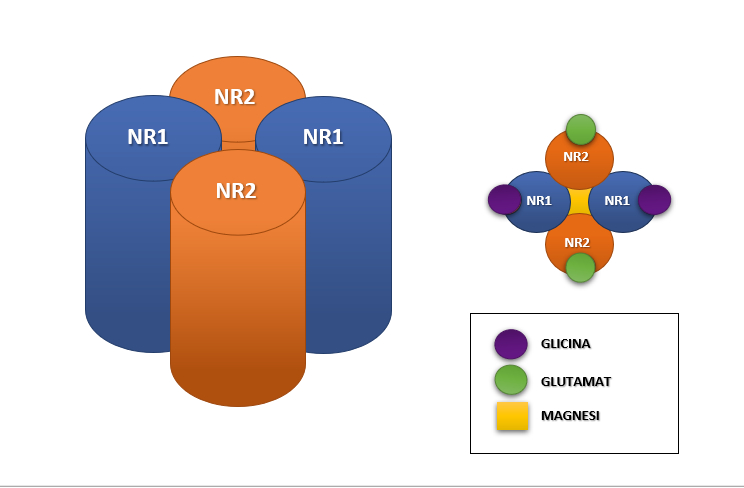
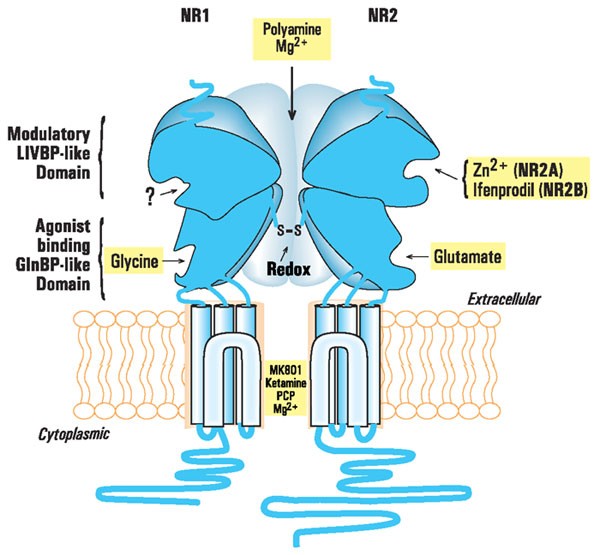
NMDA receptors are heterotetrameric complexes typically composed of GluN1, GluN2 (A-D), and GluN3 subunits, requiring glycine or D-serine as co-agonists alongside glutamate for activation.
These receptors feature a voltage-dependent Mg²⁺ block, allowing calcium influx only upon depolarization, which is crucial for long-term potentiation (LTP) and synaptic strengthening.
NMDA receptor antagonists work by binding to various sites on the receptor complex, including the glutamate binding site, channel pore, or allosteric modulatory sites. Competitive antagonists like APV block glutamate binding, while non-competitive types like ketamine occupy the phencyclidine (PCP) site within the channel. Uncompetitive antagonists, such as memantine, trap in the open channel, providing use-dependent blockade ideal for therapeutic applications.
In NMDA antagonists research, understanding subunit selectivity is key—e.g., GluN2B-specific antagonists like ifenprodil show promise in pain management without broad CNS disruption. This selectivity minimizes NMDA receptor antagonists effects like cognitive impairment seen with pan-antagonists.
Mechanisms of Action: How NMDA Receptor Antagonists Modulate Brain Function
The primary mechanism of NMDA receptor antagonists involves reducing excitotoxic calcium influx, protecting neurons from glutamate overload in conditions like stroke or epilepsy. Low-affinity, use-dependent antagonists like memantine allow physiological signaling while blocking pathological overactivation, making them valuable in Alzheimer’s research.
Ketamine-like NMDA receptor antagonists also modulate downstream pathways, including mTOR activation for rapid antidepressant effects and BDNF upregulation for neuroplasticity. In 2026, research into NMDA antagonists dosage research focuses on sub-anesthetic levels for mood disorders, with protocols emphasizing microdosing to optimize NMDA receptor antagonists effects on synaptic remodeling.
Allosteric modulators, such as rapastinel (GLYX-13 analog), enhance receptor function indirectly, offering a new frontier in NMDA receptor antagonists research guide 2026 for cognitive enhancement without dissociation.
Key NMDA Receptor Antagonists Compounds & Their Research Profiles
Several NMDA receptor antagonists dominate current studies:
- Ketamine & Esketamine – Rapid-acting antidepressants; NMDA antagonists effects include fast synapse formation. 2026 trials explore nasal/esketamine for PTSD.
- Memantine – Approved for Alzheimer’s; modulates aging pathways and stress resilience via caloric restriction mimicry.
- Dextromethorphan/Quinidine (Nuedexta) – Cough suppressant with NMDA activity; researched for pseudobulbar affect and agitation.
- GluN2B-Selective Antagonists – Like rislenemdaz; target depression with fewer sides.
- Novel Agents – PCP-site binders like felzartamab for schizophrenia; allosteric modulators for pain.
NMDA antagonists dosage research typically starts low (e.g., ketamine 0.5 mg/kg IV) to avoid dissociation, with oral memantine at 5–20 mg daily.
Research Applications of NMDA Receptor Antagonists
NMDA receptor antagonists are versatile in lab and clinical settings:
- Mental Health: Ketamine’s fast antidepressant action via AMPA receptor upregulation.
- Neurodegeneration: Memantine’s neuroprotection in Alzheimer’s by blocking excitotoxicity.
- Pain Management: Low-dose antagonists for chronic neuropathic pain.
- Addiction: Potential in reducing craving via glutamate modulation.
- Cognitive Research: Effects on learning/memory in animal models.
In 2026, NMDA antagonists research expands to psychedelics-assisted therapy, with ketamine protocols showing sustained remission in depression.
Emerging Trends in NMDA Receptor Antagonists Research 2026
2026 brings exciting developments:
- Subtype-Selective Targeting: GluN2B antagonists like rislenemdaz for rapid antidepressants with better tolerability.
- Aging & Resilience: Memantine modulates CR pathways for longevity and stress resistance.
- Market Growth: NMDA antagonists market expands, driven by neurological disorder research.
- Combination Therapies: With psychedelics or SSRIs for enhanced efficacy.
- AI & Modeling: Predictive tools for antagonist design.
Challenges, Safety & Ethical Considerations in NMDA Antagonists Research
NMDA receptor antagonists effects include dissociation, hallucinations at high doses; NMDA antagonists dosage research focuses on subthreshold levels to avoid. Safety concerns: cardiovascular strain, neurotoxicity in abuse models. Ethical guidelines emphasize informed consent in human trials.
Future Directions for NMDA Receptor Antagonists
2026 research shifts to personalized dosing via genetics and novel delivery (nasal, sublingual). Potential in autism, schizophrenia.
FAQs on NMDA Receptor Antagonists
What are common NMDA receptor antagonists? Ketamine, memantine, dextromethorphan.
NMDA antagonists dosage for research? Varies; ketamine 0.5–1 mg/kg IV.
NMDA receptor antagonists side effects? Dizziness, dissociation; manage with titration.
Best NMDA antagonists for depression? Ketamine/esketamine for rapid relief.
Conclusion: Mastering NMDA Receptor Antagonists in 2026
This NMDA receptor antagonists research guide 2026 highlights their transformative potential in neuroscience. From mechanisms to trends, NMDA receptor antagonists offer powerful tools for discovery – advance responsibly.