Note: A minimum order of $175 is required at checkout

Synthetic Cathinones vs Amphetamines: Key Differences Explained

Introduction
synthetic cathinones vs amphetamines are two closely related classes of compounds that are frequently studied in analytical chemistry, forensic science, and pharmacological research. While they share structural similarities and are often grouped together in scientific discussions, there are important differences that distinguish them in terms of chemical structure, classification, analytical behavior, and research relevance.
Understanding the distinction between synthetic cathinones vs amphetamines is essential for researchers, laboratory professionals, and anyone involved in chemical analysis. In this guide, we break down the key differences, similarities, and scientific context of these compound classes to provide a clear and comprehensive overview.
What Are Synthetic Cathinones?
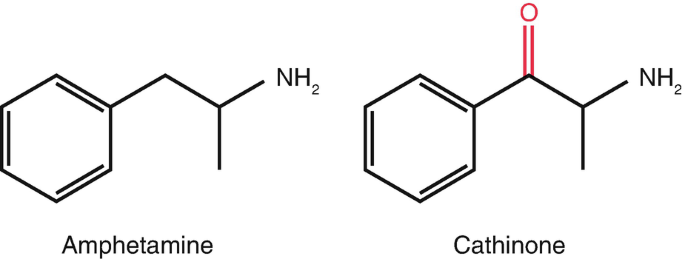
Synthetic cathinones are a class of compounds derived from cathinone, a naturally occurring substance found in the khat plant. These compounds are often referred to as β-keto analogues of amphetamines, meaning they share a similar core structure but include a ketone group.
Key Characteristics:
- Presence of a β-keto functional group
- Structurally related to phenethylamines
- Often modified with substitutions on the aromatic ring or side chain
- Commonly studied in forensic and analytical contexts
Synthetic cathinones are part of a broader category of new psychoactive substances (NPS), which are continuously evolving due to structural modifications.
What Are Amphetamines?
Amphetamine chemical structure are a class of compounds based on the phenethylamine backbone, widely studied in both medical and research settings. Unlike cathinones, amphetamines do not contain a β-keto group, which is one of the main structural distinctions.
Key Characteristics:
- Phenethylamine core structure
- No ketone group
- Long history of research and clinical study
- Widely recognized in pharmacology and neuroscience
Amphetamine chemical structures have been studied extensively, making them one of the most well-documented compound classes in scientific literature.
1. Chemical Structure: The Core Difference
The most important difference between synthetic cathinones and amphetamines lies in their chemical structure.
Synthetic Cathinones:
- Contain a β-keto group (C=O)
- This makes them β-keto amphetamines
Amphetamines:
- Do not contain the β-keto group
- Simpler molecular structure
Why This Matters:
The presence of the ketone group in cathinones:
- Increases polarity
- Affects solubility
- Influences metabolic pathways
This small structural difference leads to significant variations in chemical behavior and analytical detection.
2. Classification and Chemical Families
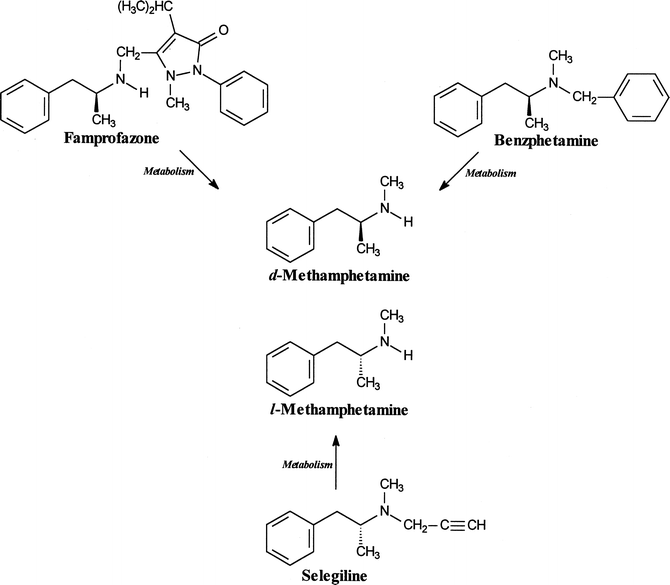
Both compound classes fall under the broader category of phenethylamines, but they are classified differently.
Synthetic Cathinones:
- Subgroup: β-keto phenethylamines
- Often categorized under NPS (New Psychoactive Substances)
Amphetamines:
Long-established classification in pharmacology
Subgroup: substituted phenethylamines
3. Structure–Activity Relationship (SAR)
In research, SAR studies help scientists understand how structural differences affect chemical properties.
Synthetic Cathinones:
- Modifications often occur at:
- Aromatic ring
- Side chain
- Nitrogen group
Amphetamines:
- SAR studies focus on:
- Substitutions on phenyl ring
- Chain length
- Functional groups
The presence of the β-keto group in cathinones introduces additional variables, making SAR analysis more complex.
4. Physicochemical Properties
The structural difference between cathinones and amphetamines influence their physical and chemical properties.
Synthetic Cathinones:
- Generally more polar
- Often have different solubility profiles
- May show altered thermal stability
Amphetamines:
- Typically less polar
- Different lipid solubility characteristics
These properties affect how the compounds behave in laboratory environments.
5. Analytical Detection Methods
Both compound classes are studied using advanced analytical techniques, but their detection profiles differ.
Common Techniques:
- Gas Chromatography (GC)
- Liquid Chromatography (LC)
- Mass Spectrometry (MS)
- Nuclear Magnetic Resonance (NMR)
Key Differences:
- Synthetic cathinones produce distinct fragmentation patterns due to the β-keto group
- Amphetamines show different retention times and ion signatures
These differences are critical for forensic identification and laboratory analysis.
6. Forensic and Research Relevance
Synthetic Cathinones:
- Frequently studied in forensic toxicology
- Important for identifying emerging compounds
- Rapidly evolving chemical structures
Amphetamines:
- Extensively documented in scientific research
- Used as reference points in comparative studies
Synthetic cathinones require continuous monitoring due to their variability, while amphetamines serve as a stable research baseline.
7. Stability and Metabolism
The β-keto group in synthetic cathinone structure influences how these compounds behave under experimental conditions.
Synthetic Cathinones:
- May undergo different metabolic transformations
- Can be more susceptible to degradation under certain conditions
Amphetamines:
- Generally more stable in comparison
- Well-characterized metabolic pathways
8. Regulatory and Research Considerations
Both classes are subject to varying regulations depending on jurisdiction.
Synthetic Cathinones:
- Often restricted due to classification as NPS
- Regulations frequently updated
Amphetamines:
- Established regulatory frameworks
- Controlled in many regions but well-defined
Researchers must always verify local laws before working with either class.
9. Role in Modern Chemical Research
Both synthetic cathinones and amphetamines play important roles in advancing scientific understanding.
Synthetic Cathinones:
- Help researchers study emerging compound trends
- Contribute to development of new detection methods
Amphetamines:
- Serve as reference compounds
- Provide baseline data for comparison
Key Similarities Between Synthetic Cathinones and amphetamine chemical structure
Despite their differences, these compounds share several similarities:
- Both are derived from phenethylamine structures
- Both are studied in analytical and forensic chemical analysis research
- Both can be analyzed using similar laboratory techniques
- Both are important in SAR studies
Why This Comparison Matters
Understanding the difference between cathinones and amphetamines is crucial for:
- Accurate chemical identification
- Development of analytical methods
- Advancement of forensic science
- Improved research methodologies
This knowledge helps researchers build more reliable detection systems and better understand emerging chemical trends.
Frequently Asked Questions
What is the main difference between synthetic cathinones and amphetamines?
The main difference is the presence of a β-keto group in synthetic cathinones, which is absent in amphetamines.
Are synthetic cathinones related to amphetamines?
Yes, synthetic cathinones are considered β-keto analogues of amphetamines.
How are these compounds identified in laboratories?
They are identified using techniques such as GC-MS, LC-MS, and NMR spectroscopy.
Why are synthetic cathinones important in research?
They are studied due to their evolving structures and relevance in forensic and analytical chemistry.
Conclusion
synthetic cathinones vs amphetamines are closely related compound classes with distinct differences in structure, classification, and analytical behavior. The presence of the β-keto group in cathinones plays a key role in shaping their chemical properties and research relevance.
By understanding these differences, researchers and laboratory professionals can improve analytical accuracy, enhance detection methods, and contribute to the advancement of chemical science.