Don't miss our holiday offer - up to 50% OFF!
🧪 How Analytical Laboratories Are Adapting to the Rapid Emergence of Novel Psychoactive Substances (NPS)

Introduction
Over the past decade, emerging NPS compounds or Novel Psychoactive Substances (NPS) have emerged as one of the most complex challenges in forensic and analytical chemistry. With hundreds of new compounds identified each year, laboratories across the globe are under increasing pressure to detect, classify, and study these substances in real time.
Analytical laboratories are evolving rapidly — adopting new technologies, expanding compound libraries, and partnering with reliable reference standard providers to stay ahead of the curve. This shift has reshaped the global research chemical landscape and strengthened the connection between scientific innovation, forensic toxicology, and regulatory science.
The Growing Complexity of NPS in forensic toxicology research
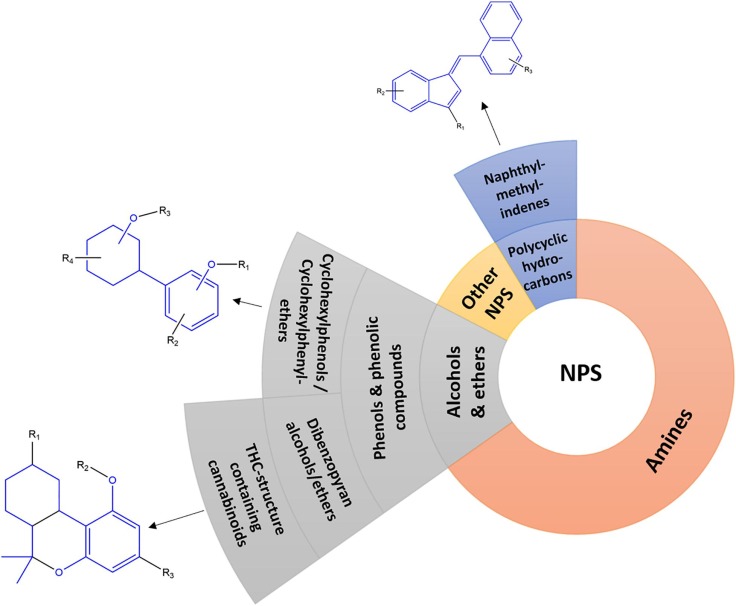
According to data from the European Monitoring Centre for Drugs and Drug Addiction (EMCDDA), more than 950 unique NPS have been reported since 2009, with new variations emerging each month. These substances span several major classes:
- Tryptamines – such as 4-AcO-DMT, 4-HO-MET, and 5-MeO-DMT
- Dissociatives – including 2-FDCK, MXPr, and 3-MeO-PCP
- Phenethylamines – like 2C-B, 2C-E, and DOM
- Stimulant analogues – such as 4-FMA, 2-FA, and 3-FPM
- Novel benzodiazepines – including flubromazolam, clonazolam, and etizolam
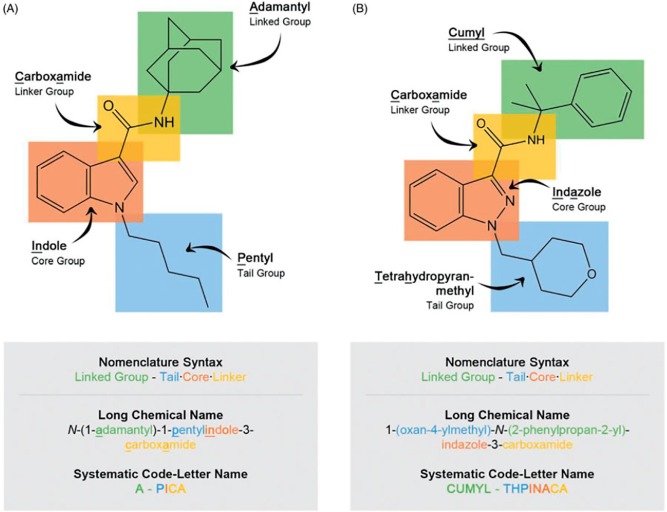
Each compound presents a unique analytical challenge due to subtle structural differences, which can affect how they bind to receptors, appear in chromatographic analysis, or metabolize in biological systems.
Analytical Laboratories on the Front Line
Modern laboratories are adapting to the NPS phenomenon by investing in advanced analytical tools and workflows. The goal is simple but demanding: identify and characterize previously unknown compounds before they spread widely.
1. High-Resolution Mass Spectrometry (HRMS)
Laboratories now rely heavily on HRMS for rapid compound identification. This technology enables scientists to detect and differentiate NPS analogues with similar molecular weights and fragment patterns, improving accuracy and reproducibility.
2. Liquid and Gas Chromatography (LC-MS/MS, GC-MS)
Coupled chromatographic techniques allow for precise quantification and separation of compounds. LC-MS/MS remains the gold standard in forensic toxicology for NPS detection, providing reliable data on both parent compounds and metabolites.
3. Data Sharing and Open Spectral Libraries
International collaboration is essential in NPS detection. Many laboratories now contribute to shared spectral databases, allowing researchers to cross-reference unknown substances and maintain updated detection methods globally.
Challenges in Novel Psychoactive Substances research and Regulation
The biggest challenge in NPS research is speed — new compounds are synthesized faster than regulatory bodies can classify them. Each structural modification can create a new “legal high” variant that escapes existing drug laws, leaving forensic scientists to play catch-up.
Moreover, limited availability of high-purity analytical standards can hinder identification and quantification efforts. Without verified reference materials, confirming a compound’s identity becomes complex and time-consuming.
That’s why analytical suppliers play a crucial role in supporting laboratories with certified reference materials (CRMs). Companies like Global Chems Depot provide access to a diverse range of analytical-grade compounds that meet research and forensic requirements — allowing laboratories to verify chemical identity and purity with confidence.
Innovations Transforming the NPS Landscape
1. AI-Assisted Data Interpretation
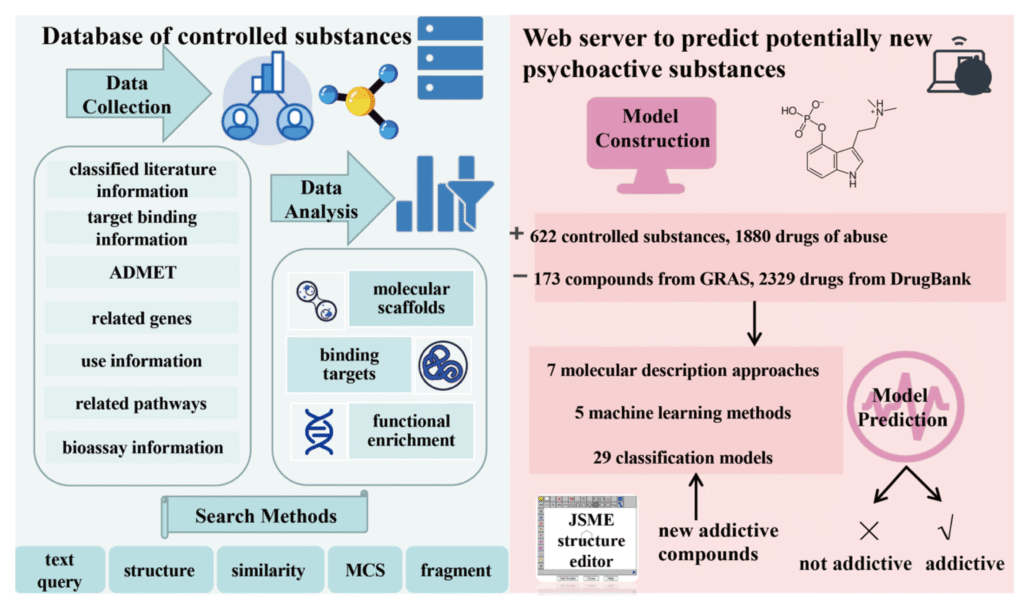
Artificial intelligence is now being used to predict molecular properties and retention times of NPS analogues. This technology can reduce manual analysis time and accelerate the identification of unknown compounds.
2. Metabolomic Profiling
By studying the metabolic pathways of NPS in biological systems, researchers can detect compounds indirectly — even after they’ve been metabolized — which enhances detection accuracy in forensic toxicology.
3. Rapid On-Site Testing
Portable mass spectrometers and spectroscopic tools are emerging as field-testing solutions for law enforcement and border agencies. These innovations help bridge the gap between laboratory and on-site screening.
Global Collaboration and Information Sharing
The NPS crisis has highlighted the importance of international cooperation. Networks like the UNODC Early Warning Advisory and the EU Early Warning System allow researchers and laboratories to exchange information quickly about new substances appearing in markets or casework.
Analytical laboratories that contribute verified data to these systems play an essential role in safeguarding public health, while simultaneously advancing the global understanding of psychoactive chemistry.
The Role and Reference of NPS analytical standards
Reference standards form the foundation of reliable chemical analysis. They ensure reproducibility and allow laboratories to calibrate their instruments with precision. In the context of NPS, where molecular structures can differ subtly from known analogues, the need for accurate, high-purity materials is critical.
Global Chems Depot, for example, supports this research ecosystem by offering analytical materials intended solely for laboratory and forensic use. Such collaborations between analytical suppliers and laboratories enable consistent progress in detection, profiling, and documentation of emerging psychoactive substances.
Future Outlook: Precision, Ethics, and Data Integration
As the NPS landscape continues to expand, analytical science must balance speed with precision. The future will likely see:
- Greater integration of AI-based prediction models
- Expansion of centralized NPS databases
- Ethical frameworks ensuring research integrity and transparency
- Continuous improvement in cross-lab reproducibility through certified standards
The next decade promises a more connected and data-driven approach to identifying, understanding, and managing the impact of novel psychoactive substances worldwide.
Frequently Asked Questions (FAQ)
1. What are Novel Psychoactive Substances (NPS)?
NPS are synthetic compounds designed to mimic the effects of traditional psychoactive drugs while bypassing existing legal classifications. They include tryptamines, dissociatives, phenethylamines, and other emerging analogues.
2. Why are NPS challenging to detect?
Each new NPS often involves slight molecular modifications that can evade standard testing methods, requiring advanced analytical instruments and verified reference materials for accurate detection.
3. How are analytical laboratories adapting?
By implementing HRMS, LC-MS/MS, and open spectral data systems, laboratories are improving their ability to identify unknown compounds rapidly and accurately.
4. What role do suppliers like Global Chems Depot play?
Reputable suppliers provide certified analytical materials that laboratories use for calibration, validation, and research — ensuring the integrity and accuracy of NPS detection and analysis.
5. Are these substances legal?
Most NPS compounds exist in a regulatory gray area until classified under national or international laws. They are strictly for research purposes only and not for human consumption.
⚗️ Disclaimer
All information presented here is intended for scientific, analytical, and educational purposes only. Any compounds mentioned are strictly for laboratory and forensic research use. Global Chems Depot does not endorse or promote human consumption of any research material.
[…] is the current gold standard for detecting low-volatility NPS and compounds found in biological matrices such as blood, urine, and […]